
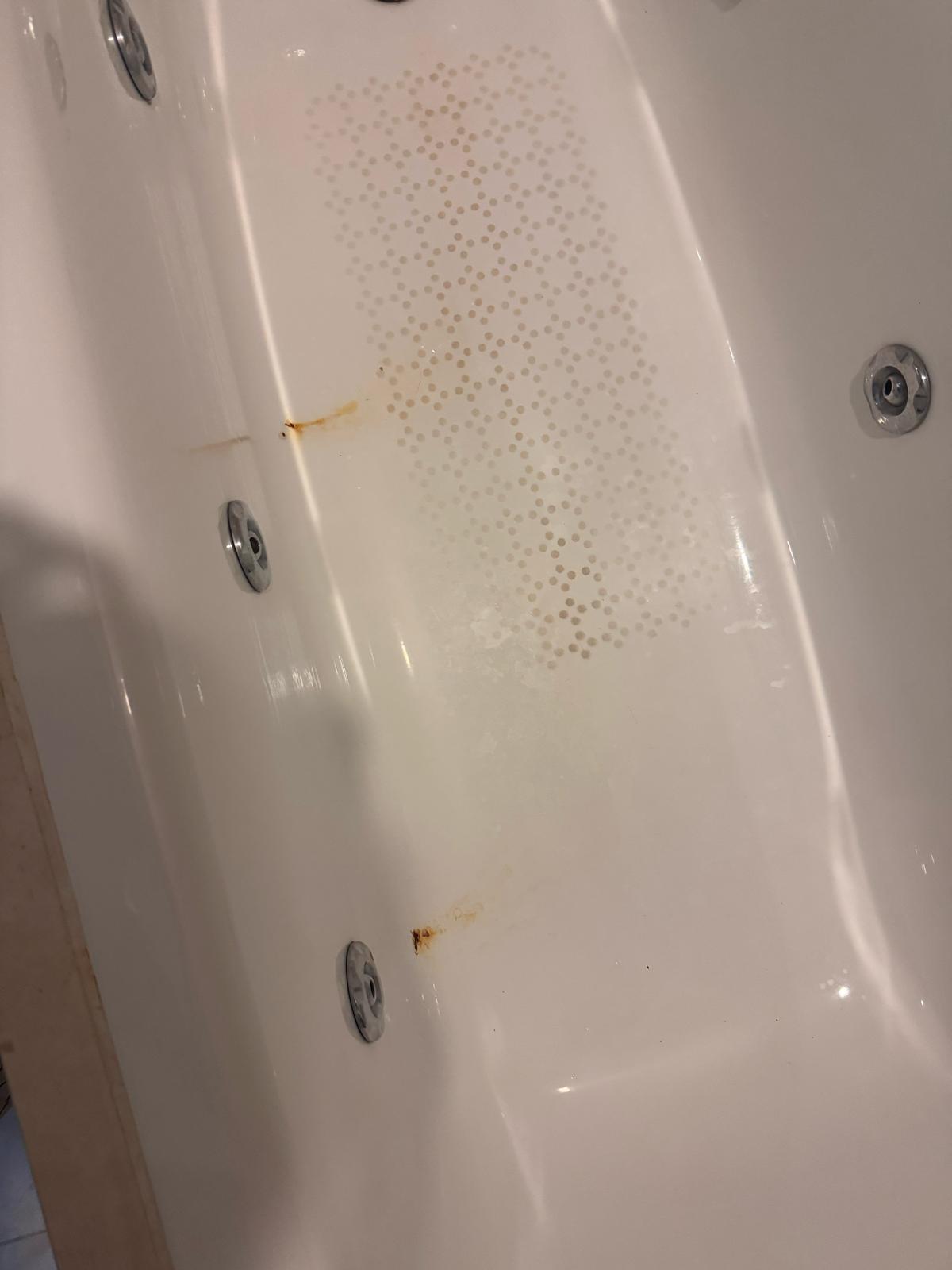
Bathtub resurfacing restores a stained, chipped or dull bathtub by repairing the surface and spraying on a new coating, without removing the tub. It is also called reglazing or refinishing. It avoids the hacking, plumbing and retiling that replacing a built-in bathtub usually involves, but it only works when the tub itself is sound.

What resurfacing can and cannot fix
| Problem | Resurfacing? | Notes |
|---|---|---|
| Dull, worn or discoloured finish | Yes | The most common reason to resurface |
| Stains and surface rust spots | Yes | Rust is treated first; the metal underneath must still be sound |
| Chips from impact | Yes | Filled and smoothed before coating |
| Cracks in acrylic or fibreglass tubs | Often | Depends on the cause, the material and how well the tub is supported |
| Peeling old paint from a previous repaint | Yes | The old coating may need to be removed completely |
| Deep corrosion or holes through the tub | Assess first | Replacement may be the better choice |
| Tub flexes or moves when you stand in it | No | A coating cannot stabilise a poorly supported tub |
| Leaks from the drain, overflow or waterproofing | No | Leaks need their own repair; never coat over an unresolved leak |

How bathtub resurfacing is done
- Inspect and agree the scope: identify the tub material (acrylic, fibreglass or metal), the defects, the existing finish and what can realistically be repaired.
- Protect and prepare: arrange ventilation, mask the tiles, taps and surroundings, clean and degrease the tub, and remove any unsound old coating.
- Repair defects: treat rust, fill chips and repair suitable cracks, with reinforcement where needed.
- Prime and resurface: apply a primer system suited to the tub material, then spray a PU (polyurethane) finish.
- Cure and check: inspect the finish and explain when the tub can be used, and how to clean it.
Acrylic, fibreglass and metal tubs each need different preparation, which is why identifying the material comes first.
Resurface or replace?
| Resurface | Replace | |
|---|---|---|
| Work involved | Repair and spray coating in place | Remove old tub, often with hacking, plumbing, waterproofing and tile work |
| Disruption | Bathroom out of use until the coating has cured | Several trades, usually over days |
| Best when | Tub is sound but the surface is worn, stained, chipped or cracked | Tub is corroded through, moves, or the bathroom is being fully renovated |
| Finish | On-site PU coating; not the same as a new factory tub | New factory finish |
For a closer look at how the coating is applied, see roller or spray: which is better for bathtub refinishing. For rust specifically, see what to do with a rusty bathtub.
How long before I can use the bathtub?
Do not use the bathtub until the curing period you were given has passed. A coating can feel dry to the touch long before it is ready for hot water and daily use; the exact time depends on the coating, the weather and ventilation, and is confirmed for each job.
Caring for a resurfaced bathtub
- Clean with a gentle, non-abrasive cleaner and a soft cloth.
- Avoid harsh solvents, abrasive pads and sharp objects.
- Do not let the shower head or heavy items drop onto the surface.
- Avoid adhesive tapes and suction-cup mats unless the finish is approved for them.
- Report any new movement, leak or damage early, before water gets under the coating.

Frequently asked questions
Can a cracked bathtub be repaired?
Some cracks can, especially in acrylic and fibreglass tubs, once the cause and the support under the tub have been checked. If the tub flexes when you stand in it, the support must be fixed first or the crack will return.
Will resurfacing stop my bathtub leaking?
No. Leaks usually come from the drain, the overflow, failed waterproofing or concealed pipes, and need a separate repair. A new coating should never be used to hide a leak.
How long does resurfacing last?
It depends on how well the tub was prepared, its condition, how it is used and how it is cleaned. Good preparation and gentle cleaning make the biggest difference.
What affects the cost?
The size and material of the tub, how much rust or cracking there is, whether old paint must be stripped, a spot repair versus a full resurface, and access and protection. Drain replacement, concealed leaks, plumbing, support work, waterproofing and tile repairs are quoted separately.
What should I send for an assessment?
- One overall photo of the tub and its surroundings.
- Close-ups of rust, chips, cracks or peeling.
- Photos of the drain and overflow if relevant.
- Whether the tub leaks, flexes or moves, and any previous repairs or repainting.
- Your location in Singapore and preferred dates.
9RENO resurfaces and repairs bathtubs across Singapore. See the service details at 9reno.com: bathtub resurfacing, or send your photos on WhatsApp.

Comments
2 responses to “Bathtub Resurfacing in Singapore: What It Fixes, How It Is Done and When to Replace”
Hi, I’m looking for bathtub resurfacing service for 2 bathtubs. May i know how much does it cost?
Please send your photo of bathtub via email to ask@9reno.com